L'altro giorno stavo parlando con un'amica su facebook della prossima uscita de Les Misérables (il film tratto dal musical), e mi sono detta: "Magari, con la scusa del film, a Natale mi posso mettere finalmente a leggere I Miserabili". Così sono andata a vedere le copie che abbiamo in libreria (abbiamo almeno due copie: una in un tomone unico della Newton & Compton e l'altra in due tomi della Einaudi.) Ho soppesato il primo tomo di quella Einaudi e ho pensato se fosse il caso di portarselo appresso in cumana. Allora mi sono detta "Magari me lo scarico in francese sul kindle, così prendo due piccioni con una fava: 1. leggo in francese e 2. non mi porto un chilo appresso tutte le mattine."
Questo breve aneddoto mi ha condotto, subito dopo, a fare altre considerazioni. Ho un kindle da più di un anno e lo adoro. Mi ha risparmiato di leggere le fanfictions direttamente allo schermo del computer, mi ha spinto a leggere in francese La Chartreuse de Parme e Les liaisons dangereuses che altrimenti avrei letto in traduzione, mi permette di non stampare pdf et similia se non quando è necessario, è buono & benedetto per le mie spalle già segnate dalla borsa pesante... Insomma, tanti aspetti positivi. Fa risparmiare carta, peso e soldi (dato che gli e-book in genere costano meno della versione stampata), è dolce con gli occhi, è piacevole da utilizzare e mi permette di avere una serie di testi (tra cui dizionari) sempre appresso. A parte i fumetti (per cui continuo a preferire la carta), non vedo nulla di demoniaco nelle edizioni digitali...
... Ma sto iniziando a rendermi conto di alcune cose che mi preoccupano, sia nell'immediato che per il futuro. Innanzitutto, è più scomodo scambiarsi un kindle che un libro di carta, non solo per la preoccupazione di quello che potrebbe succedere al delicato strumento, ma anche perché dentro al kindle ci sono testi che magari uno non vuol far vedere, oppure perché vorrebbe continuare a leggere altro (e non lo può fare dal suo kindle se l'ha prestato a qualcuno.) Inoltre, se per esempio uno compra un e-book dal kindle store di amazon, quel file vale solo per il kindle per cui l'ha comprato e non può essere copiato su un altro kindle. Capisco la necessità da parte di amazon di salvaguardarsi dalla pirateria, ma mettiamo il caso di casa mia, dove sia io che mia madre abbiamo un kindle: non potremmo passarci il file almeno tra i nostri due kindle? Un libro cartaceo può girare tra centinaia di persone (e le biblioteche servono apposta), e io sono solita scambiarmi fumetti da anni con le mie amiche: non posso comprare tutto. L'impossibilità di scambiare (in modo legale) un file di amazon non limiterà questa opportunità e, alla fine, la possibilità di leggere gli stessi libri tra amici?
Secondo punto. Cosa succederà a questi testi una volta che i nostri kindle diventeranno obsoleti, il che accadrà già, temo, nel giro di qualche anno? E se si guastano irreparabilmente? Un libro cartaceo può durare secoli. Quanto potranno durare i file digitali con gli attuali tempi di ricambio tecnologico? Quanti libri verranno persi con l'innovazione dei supporti digitali? A casa ho centinaia di videocassette che già non servono più a niente, da quando procediamo soprattutto per DVD. Migliaia di film registrati e adesso quasi invisibili, perché il nostro videoregistratore ormai ha i suoi annetti e non sono neppure sicura che funzioni ancora. Succederà lo stesso con i vecchi kindle?

Showing posts with label reading experiences. Show all posts
Showing posts with label reading experiences. Show all posts
Tuesday, 20 November 2012

Saturday, 29 September 2012
A lot of updates!
First, a big THANK YOU to all the people who are supporting In Absentia on Indiegogo! After two weeks, the campaign has already reached the 51% of funds, and there are still two months to go!
I've had a temperature for the last two days, but before that, I had reached page 11 (with inks) and page 7 (with colours). Page 7 was the one that took me the longest, so far - and I still have to letter it.
Per quelli di voi che leggono l'italiano, c'è una mia intervista su In Absentia sul blog di Cristina Zagaria. Grazie, Cristina!
///
Justin Heggs, the writer of Daddy, which I illustrated last summer, published all the short comic (5 pages) on his blog.
 Here is just the first page. Please visit Justin's blog for the rest! :D
////

As a second news, also the website for another comic I worked on last winter is now fully online. I only drew and inked Hexed (written by Matt O'Keefe) and haven't read the rest so far, but I'm eager to do so!
/////
I know some people may hate me for this (yes, you, Amerigo), but on Wednesday I sold my copy of Epileptic by David B. Since one of the first posts in this blog was about it, I thought I should write it here. In two years, I was never able to re-read it (and I re-read comics MANY times - I mean, I've read Spent by Joe Matt some four times in the first month after I bought it) and I considered it as bringing a bad omen to my bookshelf. Weird, I know. You can despise me if you wish. But I could not force myself to appreciate or enjoy that graphic novel.
I've had a temperature for the last two days, but before that, I had reached page 11 (with inks) and page 7 (with colours). Page 7 was the one that took me the longest, so far - and I still have to letter it.
Per quelli di voi che leggono l'italiano, c'è una mia intervista su In Absentia sul blog di Cristina Zagaria. Grazie, Cristina!
///
Justin Heggs, the writer of Daddy, which I illustrated last summer, published all the short comic (5 pages) on his blog.
////

As a second news, also the website for another comic I worked on last winter is now fully online. I only drew and inked Hexed (written by Matt O'Keefe) and haven't read the rest so far, but I'm eager to do so!
/////
I know some people may hate me for this (yes, you, Amerigo), but on Wednesday I sold my copy of Epileptic by David B. Since one of the first posts in this blog was about it, I thought I should write it here. In two years, I was never able to re-read it (and I re-read comics MANY times - I mean, I've read Spent by Joe Matt some four times in the first month after I bought it) and I considered it as bringing a bad omen to my bookshelf. Weird, I know. You can despise me if you wish. But I could not force myself to appreciate or enjoy that graphic novel.
Tuesday, 9 November 2010
Reading experiences: manga
And when I say mangas, I mean a whole lot of mangas.
I have read:
By Clamp:
Magic Knight Rayearth
Chobits
X/1999
RG Vega
Clover *
Card Captor Sakura
By Takehiko Inoue:
Slam Dunk
Vagabond *
Real *
Buzzer Beater
By Riyoko Ikeda:
Versailles no Bara (Lady Oscar) *
The window of Orpheus *
Dear Brother
Eroica
Elizabeth
Glass no Kamen, by Suzue Miuchi *
By Chiho Saito:
Kanon *
First girl
Various short stories
Marionette
World of the S&M
Revolutionary Girl Utena
Waltz in a White Dress
Ace o nerae /Aim for the ace, by Sumika Yamamoto
Berserk, by Kentaro Miura
By Hiroaki Samura:
Blade of the Immortal *
Emerald
Ohikkoshi
Bradherley’s Coach
The Slayers
Neon Genesis Evangelion
Moonlight Mile *
Ikigami
Bakuman
By Fuyumi Soryo:
Mars
Cesare
Short stories
Doll
Cantarella
Blood Alone
Victorian Romance Emma
By Ai Yazawa:
Tenshi nanka janai
Gokinjo Monogatari
Kagen non tsuki
Paradise Kiss
Nana *
By Yayoi Ogawa:
Trumps like us
Kiss & Never Cry *
Baroque
Extra Heavy Syrup
Detective Conan
Bastard!! (until #18)
Manga Bomber *
Peach Girl
Densha Otoko
By Mayu Shinjo:
Sensual Phrase
Love Celeb
By Waki Yamato:
Haikara-san ga Tōru *
NY Komachi
Record of Lodoss War: The lady of Pharis
Glaucos
Tetsuwan girl *
By Chie Shinohara:
Blue Seal (Ao no Fūin)
Romance of Darkness
Pendragon (Dai to kishi) by Maboroshi Choji *
Claymore *
Battle Angel Alita
By Jiro Taniguchi
The walking man
Keyaki no ki *
Inu o kau
Kaze no sho
Chichi no koyomi
Kodoku no gurume
Lovely Complex
Lythtis, by Hiroyuki Utatane
Arms
Tenchi Muyo
Please save my Earth
Nausicaa
Aqua knight
Rookies (not all)
Video girl Ai
Perfect Girl Evolution
3x3 Eyes (not all)
Georgie
Love me Knight
Attacker You!
They were 11
Sailor Moon
Furuguma Memories
Love my life
Free Soul
Cool Pine
Hataraki Man
In The Clothes Named Fat
G.I.D.
Hamelin no violin hiki *
Ashen Victor
Switch Girl
New York New York
Gaku
The sword of Pharis
Guin Saga
Ann is Ann
* Denotes a very favourite of mine
I have read:
By Clamp:
Magic Knight Rayearth
Chobits
X/1999
RG Vega
Clover *
Card Captor Sakura
By Takehiko Inoue:
Slam Dunk
Vagabond *
Real *
Buzzer Beater
By Riyoko Ikeda:
Versailles no Bara (Lady Oscar) *
The window of Orpheus *
Dear Brother
Eroica
Elizabeth
Glass no Kamen, by Suzue Miuchi *
By Chiho Saito:
Kanon *
First girl
Various short stories
Marionette
World of the S&M
Revolutionary Girl Utena
Waltz in a White Dress
Ace o nerae /Aim for the ace, by Sumika Yamamoto
Berserk, by Kentaro Miura
By Hiroaki Samura:
Blade of the Immortal *
Emerald
Ohikkoshi
Bradherley’s Coach
The Slayers
Neon Genesis Evangelion
Moonlight Mile *
Ikigami
Bakuman
By Fuyumi Soryo:
Mars
Cesare
Short stories
Doll
Cantarella
Blood Alone
Victorian Romance Emma
By Ai Yazawa:
Tenshi nanka janai
Gokinjo Monogatari
Kagen non tsuki
Paradise Kiss
Nana *
By Yayoi Ogawa:
Trumps like us
Kiss & Never Cry *
Baroque
Extra Heavy Syrup
Detective Conan
Bastard!! (until #18)
Manga Bomber *
Peach Girl
Densha Otoko
By Mayu Shinjo:
Sensual Phrase
Love Celeb
By Waki Yamato:
Haikara-san ga Tōru *
NY Komachi
Record of Lodoss War: The lady of Pharis
Glaucos
Tetsuwan girl *
By Chie Shinohara:
Blue Seal (Ao no Fūin)
Romance of Darkness
Pendragon (Dai to kishi) by Maboroshi Choji *
Claymore *
Battle Angel Alita
By Jiro Taniguchi
The walking man
Keyaki no ki *
Inu o kau
Kaze no sho
Chichi no koyomi
Kodoku no gurume
Lovely Complex
Lythtis, by Hiroyuki Utatane
Arms
Tenchi Muyo
Please save my Earth
Nausicaa
Aqua knight
Rookies (not all)
Video girl Ai
Perfect Girl Evolution
3x3 Eyes (not all)
Georgie
Love me Knight
Attacker You!
They were 11
Sailor Moon
Furuguma Memories
Love my life
Free Soul
Cool Pine
Hataraki Man
In The Clothes Named Fat
G.I.D.
Hamelin no violin hiki *
Ashen Victor
Switch Girl
New York New York
Gaku
The sword of Pharis
Guin Saga
Ann is Ann
* Denotes a very favourite of mine
Saturday, 6 November 2010
reading comics: memories 1
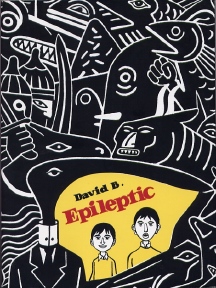
It is a strange book. Some pages are fantastic, other are awful (especially in the first half), from a comic book point of view, because it's too often the captions that carry out the narration, and too rarely the drawings. The majority of the book seems to me more like an illustrated novel than a comic book of graphic novel or as you wish to name it. I mean, the drawings alone aren't able to tell the story. They are too fixed, too rigid, there's no much dynamism in them. Dialogues are too few (even if they increase in the second half) and captions are too many. Of course David B. uses these strategies on purpose to create a story that feels as heavy as the epilepsy Jean-Christophe suffers of. But this book is just on the verge of the works that make me wonder what was the point of in making them under a graphic form instead than just a written one.
Even if I've read comics since I was a child, the residency at ACA and the last week at home have been the period in my life in which I've most thought about comics - from a theorical point of view, and not just from the perspective of a reader/author of a specific piece.
When I was a child, I regularly read three comics magazines (in Italian), plus other children's magazines which contained comics as well. The first was the Corriere dei Piccoli. It featured stories like Stefi by Grazia Nidasio and I Ronfi by Adriano Carnevale. The second was Topolino (= Mickey Mouse), which contained stories from the Disney world written and drawn by Italian artists. I suppose that almost all Italian children of the last 50 years have held a copy of Topolino sometime.
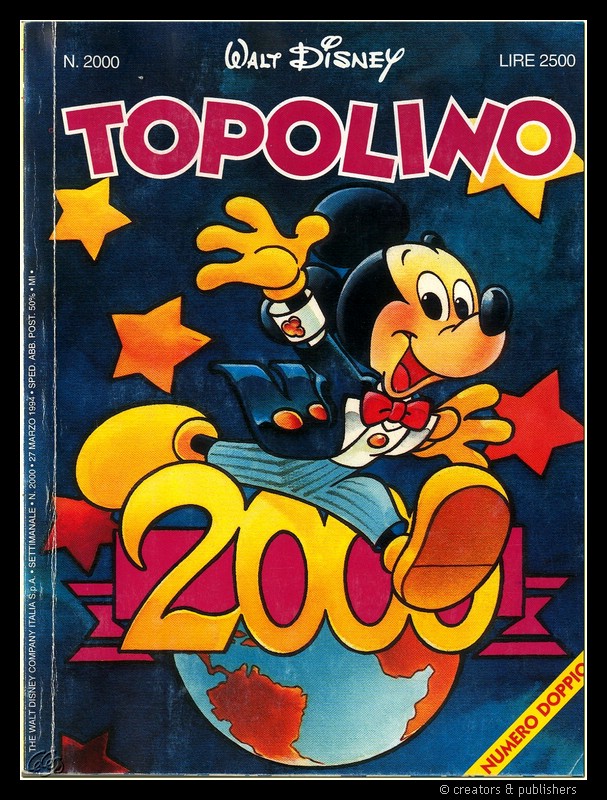
the famous n. 2000
The third was Il Giornalino, that in summer published as enclosures the comics adaptations of great classics of literature, such as Little Women, Oliver Twist, Taras Bul'ba, etc. As far as I know, this practice of publishing abridged versions of classics for children, under the form of comics (but today they'd be called graphic novels) is a specific of Italy (correct me if I'm wrong).
Aside from these magazines, as a child I read The Peanuts, Mafalda, Asterix, and I was given as a present the abridged versions of I promessi sposi by Paolo Piffarerio and of Shakespeare (Hamlet, Romeo & Juliet, The Tempest) by Gianni De Luca.


Comics, of course, were not the only texts I read. In the meantime, I have been reading also traditional, written literature. And before now, I had never seen comics and literature as opposed to each other. In my head, they were quite different. And maybe I used them in different ways, I mean that I read them in different situations and in different conditions. Now I have to confess that maybe, inconsciously, I considered comics a lighter reading than novels and plainly written works. They were for entertainment - and what a gorgeous entertainment they provided! Mangas seemed created to start fangirlism in a young girl as I was when I started reading them. Manga were made to discuss them with friends and to fall in love with handsome characters and to buy posters and photos during comic-conventions. They are able to stir deeper emotions in a reader than the average Western comics. Long stories presented an abundance of characters and each was clearly defined. In mangas you could follow psychological transitions from imperceptible details. That's why one of the funniest things I know is chatting about "what happens next" in our favourite mangas with my friends. And that's why I imagine my main comic project, Asanor, as a manga, even if it's drawn in Western style. I imagine it published in episodes during a few years and only later, eventually, collected in a few volumes. I dream about people talking about my characters and what they will and won't do and waiting for the new episode to be out in comics stores.
1 - continues...
Aside from these magazines, as a child I read The Peanuts, Mafalda, Asterix, and I was given as a present the abridged versions of I promessi sposi by Paolo Piffarerio and of Shakespeare (Hamlet, Romeo & Juliet, The Tempest) by Gianni De Luca.


These were not just comics. These were work of art and could be stared at just for the pleasure of watching something beautiful. Piffarerio (who collaborated also with the main Italian magazine of cross-word puzzles, La settimana enigmistica, illustrating rebus) was a master in drapery, while Gianni De Luca, well, he would later become one of my main influences in thinking comics.
At 12 I read - during a summer camp - my first episode of Dylan Dog (now published by Dark Horse also in the States) and continued reading it for a couple of years, until, at 14, I surrendered to a friend's entreaties and started reading Rayearth by Clamp, my first manga.

At 12 I read - during a summer camp - my first episode of Dylan Dog (now published by Dark Horse also in the States) and continued reading it for a couple of years, until, at 14, I surrendered to a friend's entreaties and started reading Rayearth by Clamp, my first manga.

After that I read only mangas for many, many years.
1 - continues...
Subscribe to:
Posts (Atom)